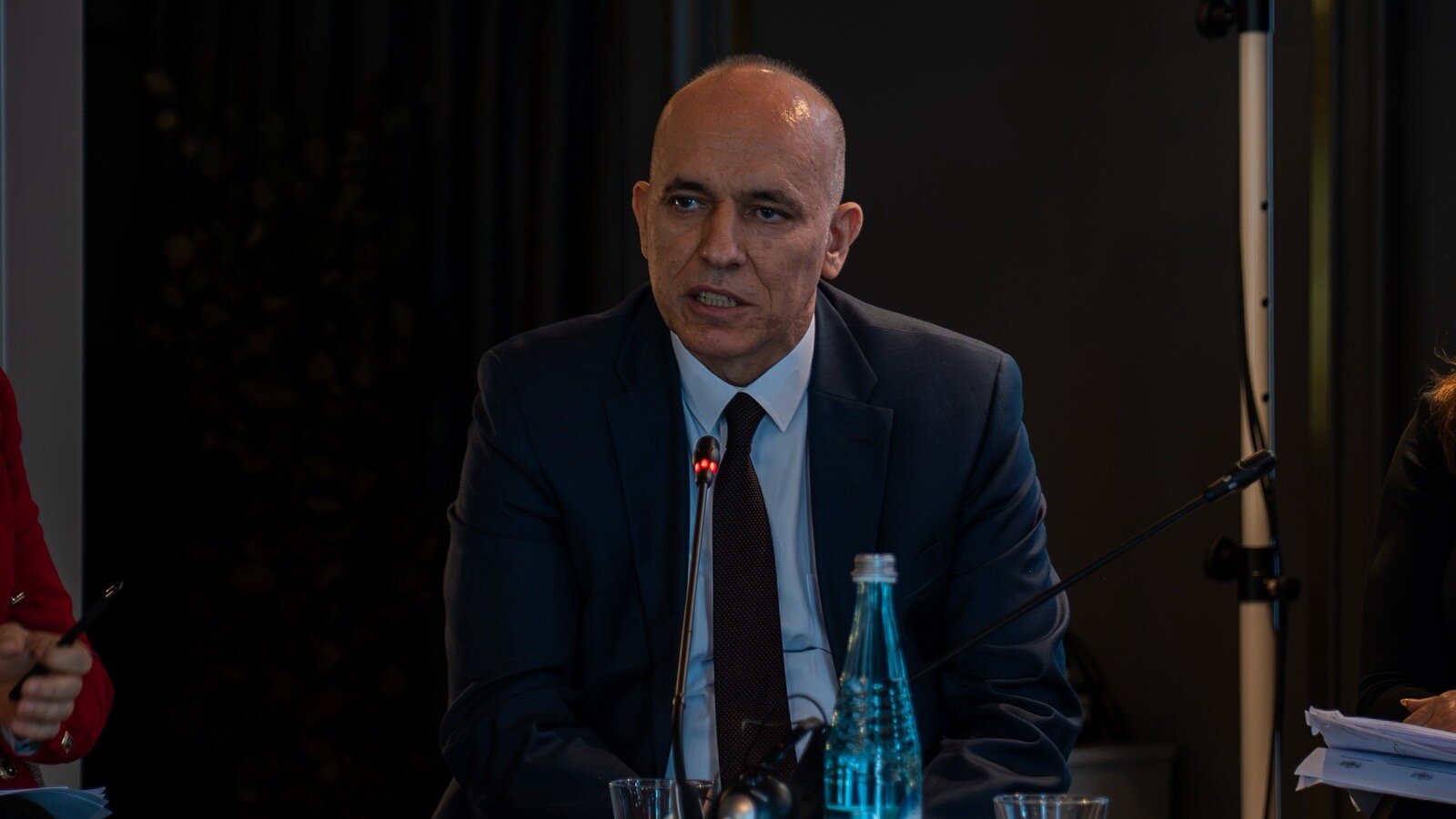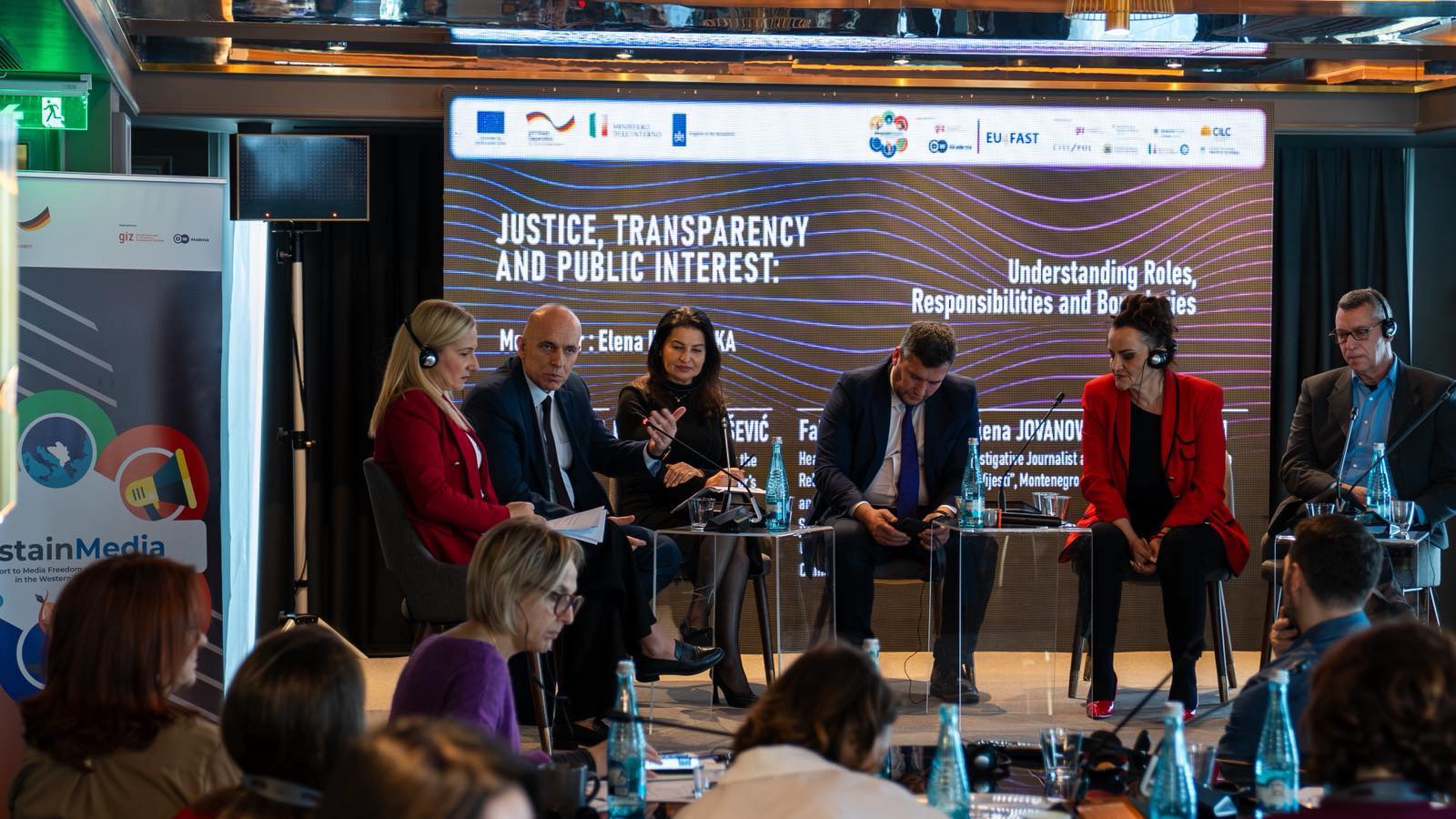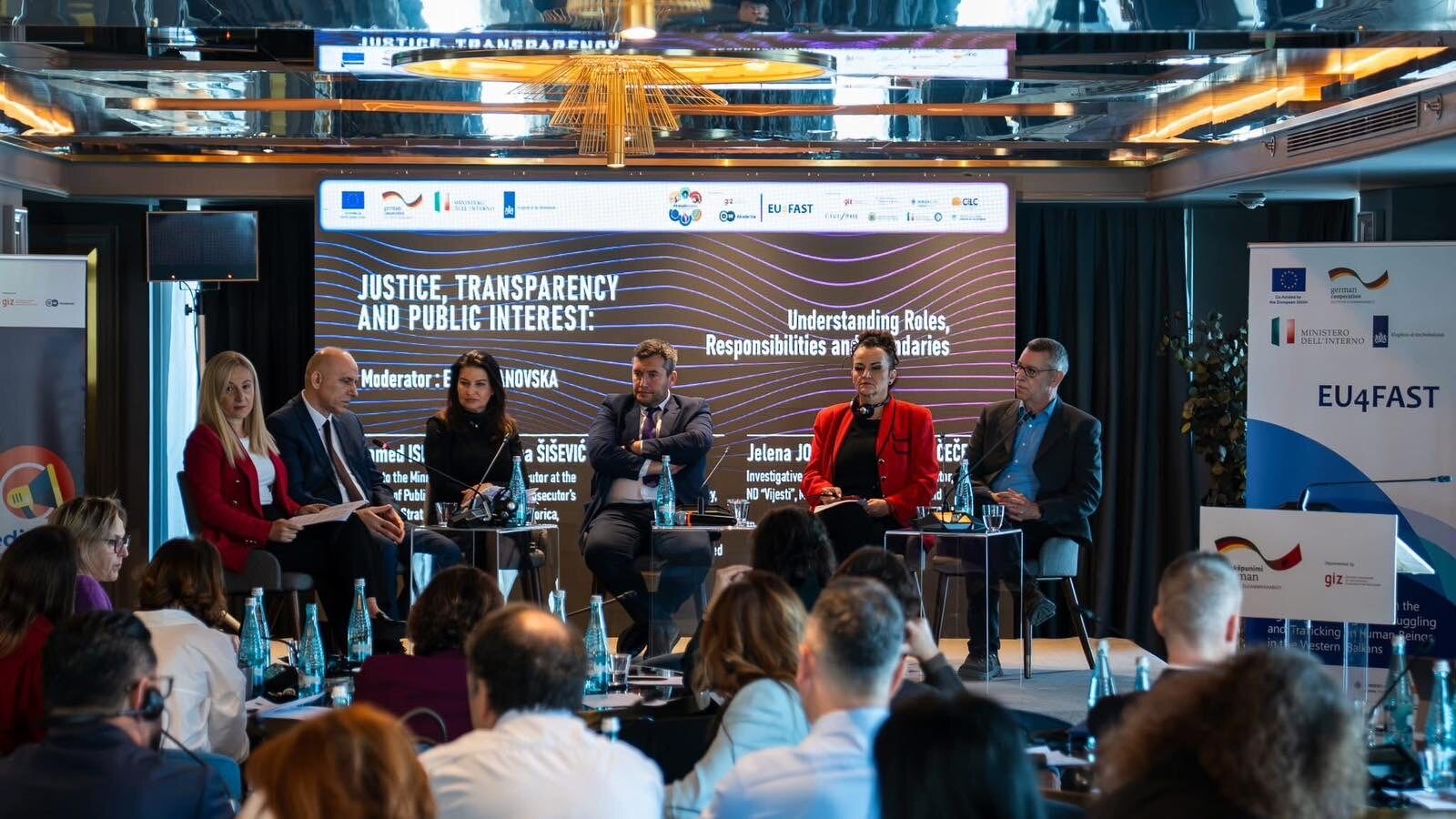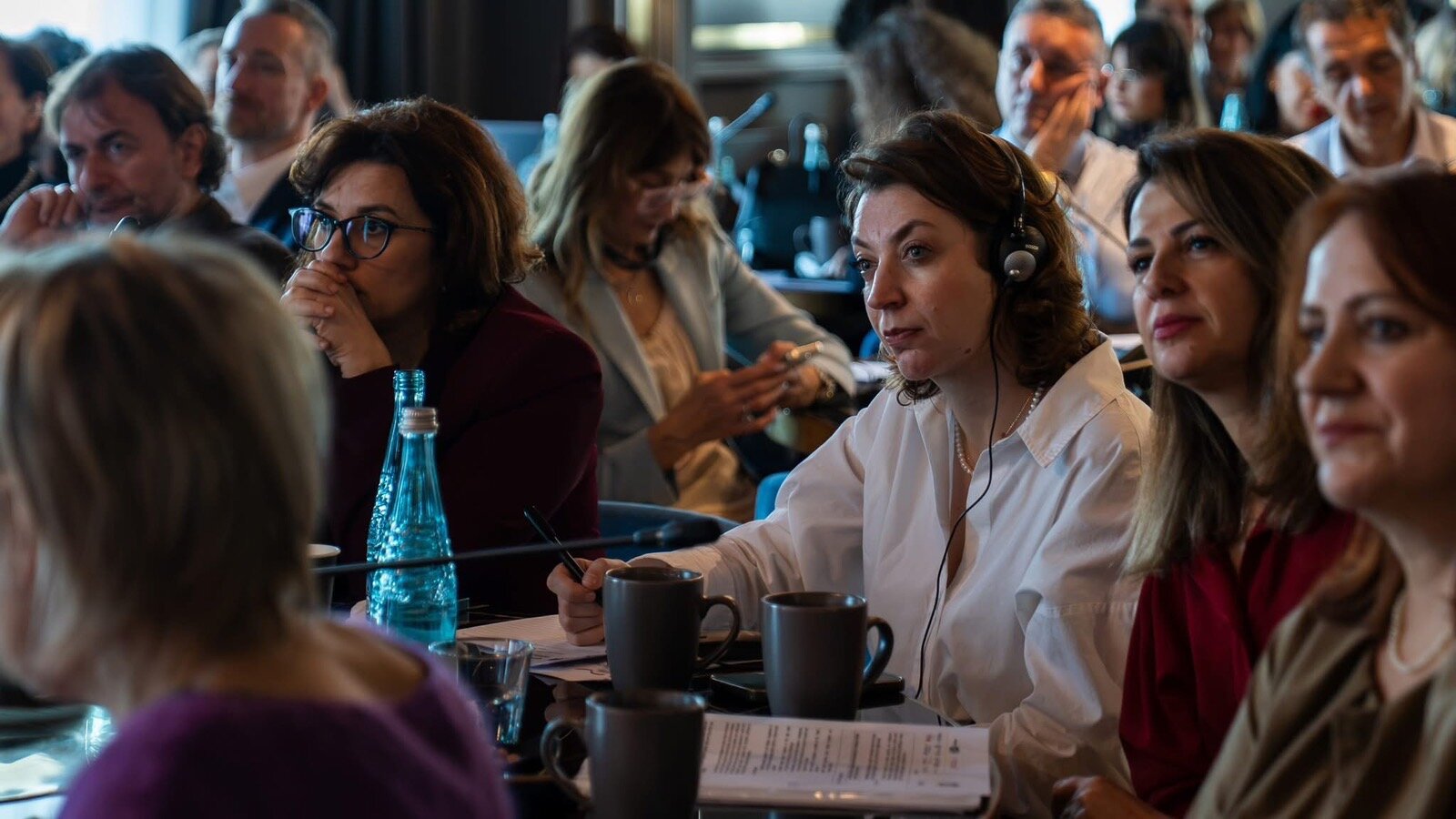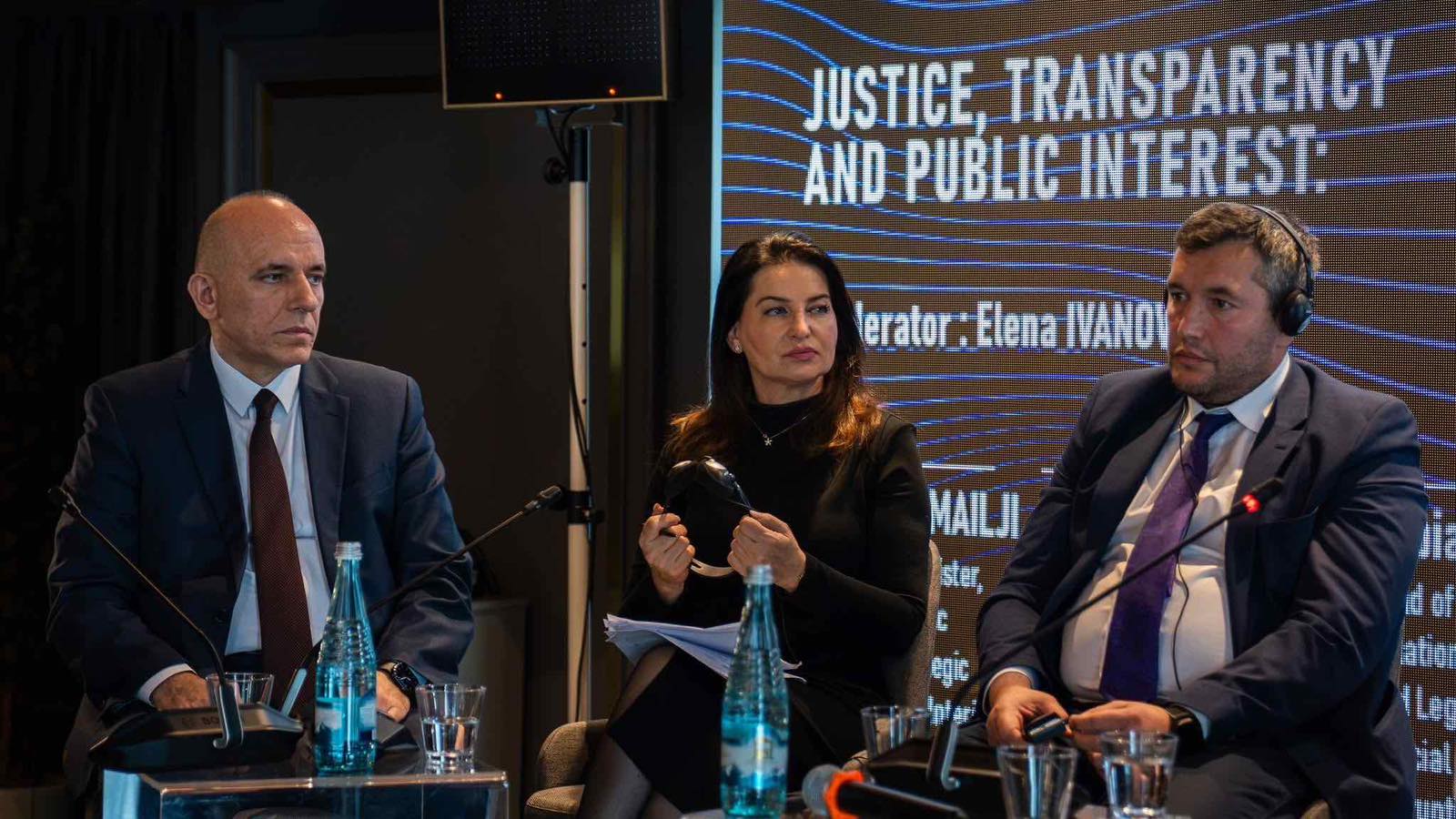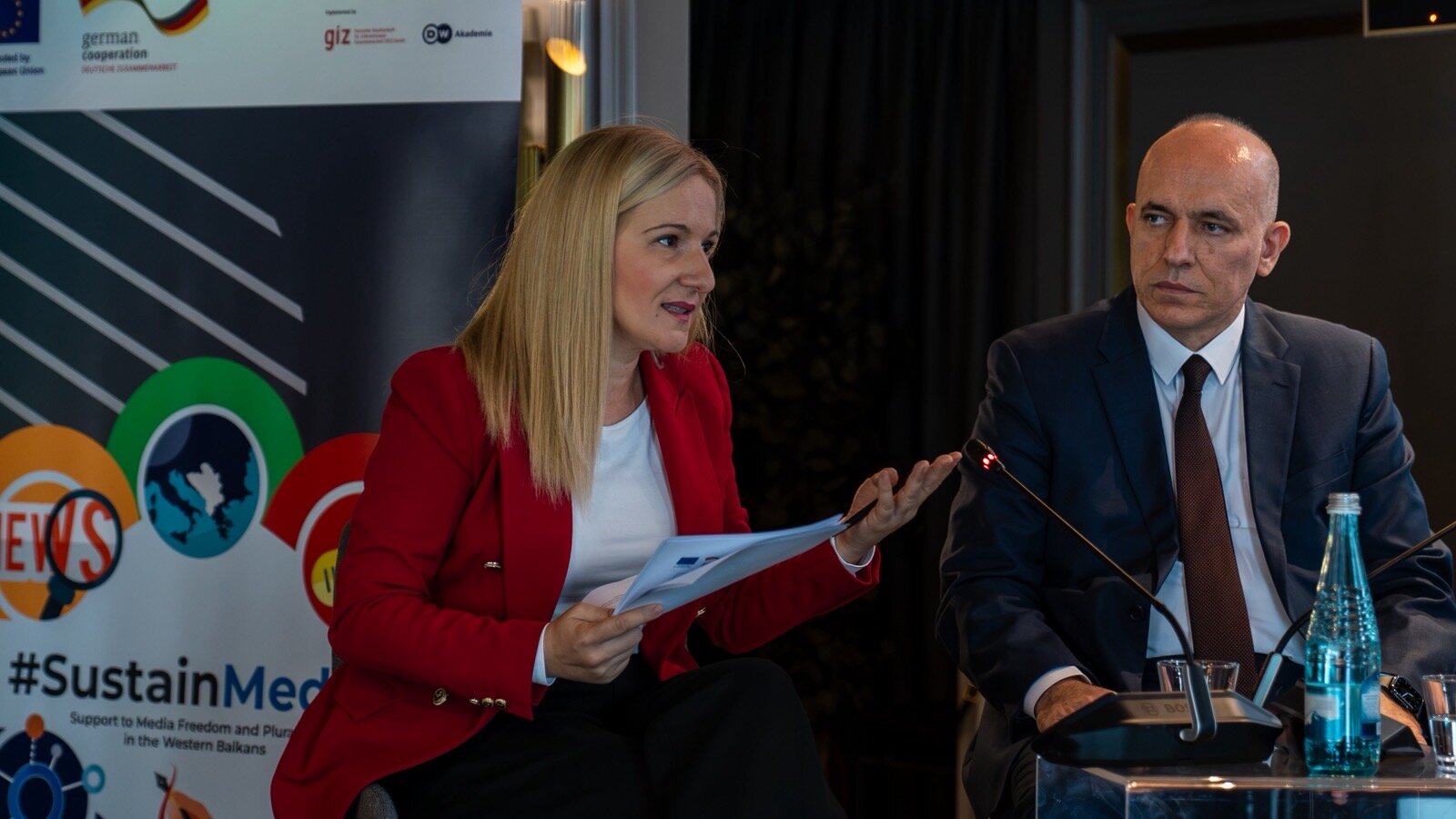
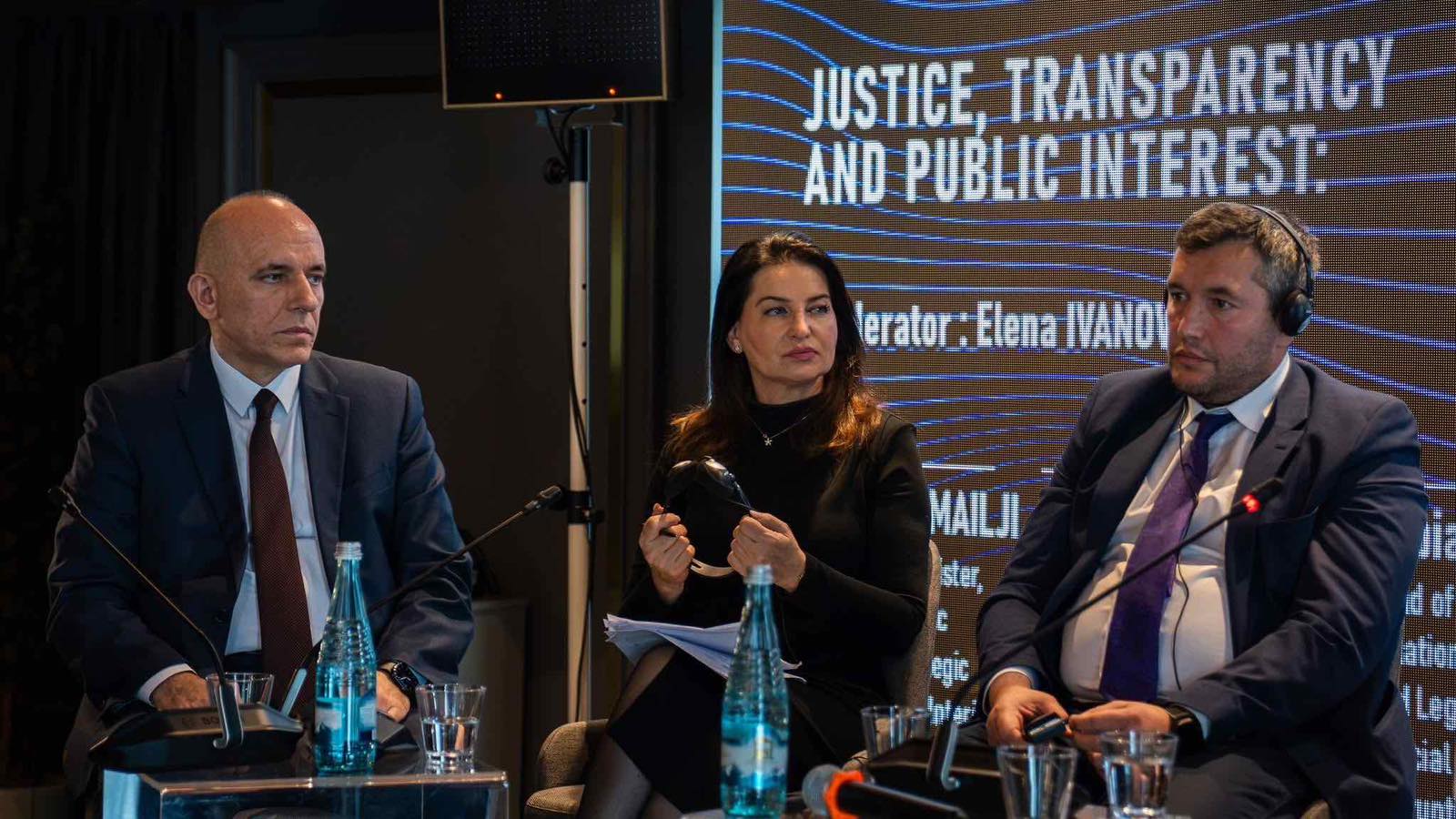
The Assistant Minister of Interior for Public Relations and Strategic Affairs, Muhamed Ismailji, participated in and addressed the regional workshop “From Investigation to Public Information: Enhancing Cooperation between the Judiciary and the Media in the Fight against Organised Crime in the Western Balkans”, held on 17 and 18 November in Tirana, Republic of Albania.
The workshop is organised by the regional programmes of the German Agency for International Cooperation (Deutsche Gesellschaft für Internationale Zusammenarbeit – GIZ), EU4FAST and Sustain Media. GIZ is a German government development agency operating globally to promote sustainable development, international education and international cooperation.
In his address on the topic “Transparency without Jeopardising Investigations – The Role of Institutional Communication in the Fight against Organised Crime”, Ismailji emphasised the importance of timely, accurate and responsible public information, while simultaneously respecting the legal and operational limitations during investigative proceedings.
“The fight against organised crime does not merely involve detecting and prosecuting criminal activities. It also involves building trust in institutions, and trust largely depends on their transparency, professionalism and accountability in communicating with the public,” Ismailji emphasised.
He outlined three key aspects of successful institutional communication in organised crime cases: establishing a balance between transparency and the protection of investigations, building a partnership with the media, and strengthening inter-institutional and regional cooperation.
Reflecting on the experience of the Ministry of Interior, Ismailji stressed that the public has the right to information about the work of institutions, but that its publication must be carefully planned and coordinated with the competent police and judicial authorities, in order to avoid jeopardising evidence, operational activities and the further course of investigations.
“Our goal is not to publish as much information as possible, but to provide accurate, verified and relevant information at a time when sharing it will not jeopardise the proceedings,” Ismailji pointed out.
Particular emphasis was placed on cooperation with the media, which, in addition to informing the public, can be an important partner in disseminating public appeals and information provided by citizens that could contribute to detecting criminal activities. In this regard, Ismailji emphasised the need to establish clear and effective communication channels between the police and the media, based on professionalism, mutual trust and responsibility.
Speaking about the regional dimension of organised crime, he stressed that coordination between the police, prosecution offices, other competent institutions and international partners is essential not only in conducting investigations, but also in communicating with the public. He also highlighted the challenges posed by the digital environment, particularly the rapid spread of disinformation, speculation and unverified content through social media.
“Transparency and the protection of investigations should not be regarded as conflicting objectives. On the contrary, responsible institutional communication is precisely the mechanism through which these two obligations can be reconciled,” Ismailji emphasised.
At the end, he highlighted the importance of exchanging experiences and good practices among institutions, the judiciary and the media across the Western Balkans, with the aim of improving professional standards in public information and strengthening citizens’ trust in institutions.
“Our common goal is clear: the public should be informed, citizens should have trust in institutions, and investigations should be conducted professionally and without unnecessary risks,” Ismailji stated.